


Have you ever wondered why insurance companies fight every claim? It seems like they don’t want to help, even when it’s clear you’re right. The world of insurance law is very complex and seems to protect companies more than people.
Insurance companies try to pay out as little as possible. Knowing how to deal with them is key to getting what you deserve. Claims adjusters are trained to help the company, not you.
Finding your way through insurance disputes is hard. But, an experienced insurance attorney can help a lot. They can fight for you and make sure you get fair compensation.
Key Takeaways
- Insurance companies prioritize profit over policyholder interests
- Professional legal representation can level the playing field
- Understanding your rights is critical in insurance disputes
- Strategic negotiation can lead to better claim outcomes
- Not all claim denials are final or justified
Understanding Insurance Law
Insurance law is key to how policies protect people and businesses. It sets rules for what insurance covers, how to make claims, and who is responsible for money.
What Is Insurance Law?
Insurance law is a set of rules for insurance policies. It makes sure insurance companies act fairly and that policyholders know their rights.
- Regulates insurance contract formation
- Defines coverage requirements
- Establishes consumer protection standards
- Determines dispute resolution mechanisms
Key Terms and Concepts
Insurance policies have different types of coverage. These include liability coverage, medical payments, uninsured/underinsured motorist coverage, and physical damage coverage. Each has its own rules, limits, and what’s not covered.
| Coverage Type | Primary Purpose |
|---|---|
| Liability Coverage | Protects against legal responsibility for damages |
| Medical Payments | Covers medical expenses after an accident |
| Uninsured Motorist | Provides protection when other driver lacks insurance |
Importance of Compliance
States like Ohio have laws for insurance. For example, Ohio says you must have at least $25,000 for one person’s injury, $50,000 for all injuries in an accident, and $25,000 for damage to property.
Knowing these laws helps protect your money. It also makes sure you have the right insurance.
The Role of Insurance Attorneys
Dealing with insurance claims can be tough. Insurance attorneys help people with insurance problems. They guide you through the complex world of insurance disputes.
Insurance attorneys protect your rights. If the insurance company offers a low settlement or disputes liability, get a lawyer.
What Insurance Attorneys Actually Do
They do many important things:
- They look at insurance policies closely.
- They check claims well.
- They find important evidence.
- They talk to insurance companies.
- They stand up for you in court.
When to Seek Legal Help
Getting a lawyer is smart. You need one in these situations:
- When claims are denied without reason
- When offers are very low
- When liability is in doubt
- When injuries are serious or last a long time
- When claims take too long
Benefits of Professional Representation
A lawyer can explain your rights. They can talk to insurance companies for you. This way, you get a fair deal.
Most lawyers work for free if they win your case. This makes getting help easier for many people with insurance problems.
Types of Insurance Cases
Insurance disputes can happen in many areas. They can be tough for people to deal with. Knowing about different insurance cases helps people understand legal issues with insurance companies after an accident.
Auto Insurance Claims
Auto insurance claims need careful steps and a smart plan. Liability coverage is key for drivers who hurt others or damage property. Uninsured/underinsured motorist coverage is vital when accidents happen with drivers who don’t have enough insurance.
- Collision damage assessment
- Medical payment documentation
- Liability claim investigations
Homeowners Insurance Disputes
Homeowners often face problems with property damage claims. Comprehensive insurance coverage helps with unexpected events like natural disasters or theft.
| Claim Type | Common Issues | Resolution Strategy |
|---|---|---|
| Property Damage | Undervaluation | Professional Assessment |
| Structural Damage | Claim Denial | Detailed Documentation |
Health Insurance Denials
Health insurance claim denials can be very stressful. Knowing about medical payment coverage helps patients fight unfair denials.
Life Insurance Claims
Life insurance claims need careful work and legal help. Beneficiaries must go through detailed checks to get the right money.
- Policy documentation review
- Claim submission process
- Potential legal intervention
The Claims Process Explained
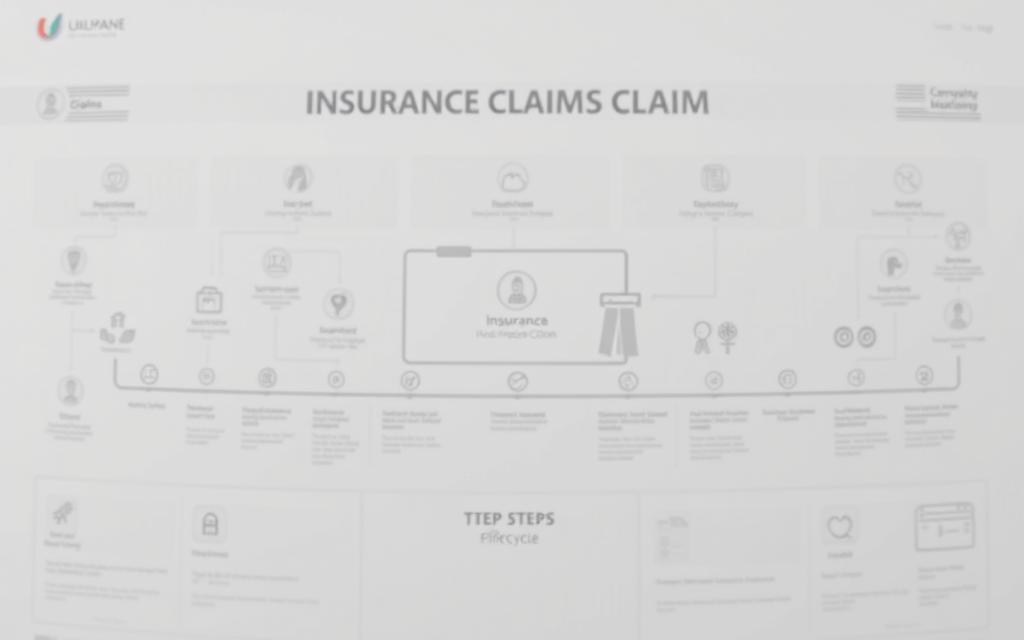
Going through an insurance claim can seem very hard. Knowing how it works helps you protect your rights. It also helps you get the most from your claim.
Filing an Insurance Claim
Tell your insurance company about the accident right away. This makes sure your claim is handled fast. Here’s what to do when you file a claim:
- Notify your insurer immediately after the incident
- Give them all the details like date, time, and where it happened
- Take pictures of all the damage
- Get the contact info of everyone involved
Common Roadblocks in Claims
Claims can run into problems. You might face:
- Insurance adjusters taking too long
- Being asked for too much paperwork
- Disagreements over how much damage is worth
- Tough talks about who was at fault
Understanding Claim Denials
Claims can be denied for many reasons. Your policy might not cover it because of:
- Things not included in your policy
- Reporting the accident too late
- Who caused the damage is unclear
- Not telling the truth on your application
Knowing your rights can help you deal with these issues. You can talk to adjusters, pick who fixes your car, and question unfair offers.
How Insurance Companies Operate
Insurance companies are big financial groups. They help manage risks and make money. Knowing how they work can help you deal with claims better and keep your rights safe.
Profit Motive: The Business of Risk
Insurance companies are like businesses. They want to make money. They use smart ways to manage risks and make more money.
- Collect maximum premiums
- Minimize claim payments
- Reduce financial exposure
- Maintain competitive pricing
Tactics Used by Insurers
Claims adjusters work to save the company money. They use smart tricks:
| Tactic | Purpose |
|---|---|
| Quick Settlement Offers | Pressure claimants to accept lower compensation |
| Documentation Requests | Delay claim processing |
| Medical Authorization Forms | Access full medical history to find pre-existing conditions |
The Role of Adjusters
Insurance reps might seem nice, but they really want to save the company money. They try to get you to say things that could hurt your claim.
Be careful when talking to insurance reps. Knowing their tricks can help you protect yourself during claims.
Legal Grounds for a Claim
Understanding insurance disputes is key. Policyholders have legal ways to fight back when companies don’t do their job. This helps get fair treatment and compensation.
Policyholders can fight through many legal ways when their rights are broken. Knowing these ways helps protect you and take the right steps.
Breach of Contract
A breach of contract happens when an insurance company doesn’t follow the policy agreement. Signs include:
- Denying valid claims without a good reason
- Not paying the full amount promised
- Not handling claims in a timely manner
Bad Faith Insurance Practices
If an insurance company treats you unfairly, like delaying claims or breaking laws, you might have a case. This could lead to extra money as punishment for the company.
| Bad Faith Practice | Legal Implications |
|---|---|
| Unreasonable claim denial | Potential lawsuit and extra damages |
| Delayed claim processing | Money for financial troubles |
| Misrepresenting policy terms | Legal action for being deceptive |
Statutory Violations
State laws protect you from insurance company wrongdoings. You can report unfair treatment to the state insurance department. Filing a complaint can start an official check.
- Keep records of all talks with the insurance company
- Gather proof for your claim
- Get advice from an insurance lawyer
Preparing for Legal Action
When you face an insurance dispute, being ready is key. The right steps can help you get fair compensation and protect your rights.
Legal action needs careful planning and detailed records. Success comes from having strong evidence and knowing the important steps to take.
Gathering Evidence
It’s important to document everything in insurance claims. Keep detailed records of:
- Emails
- Phone calls
- Letters
- Medical records
- Repair bills
Critical Documentation for Your Claim
| Document Type | Importance |
|---|---|
| Insurance Policy | Shows what’s covered and limits |
| Medical Records | Proves how bad the injury is and costs |
| Expense Log | Tracks money spent because of the accident |
| Photographic Evidence | Shows damage with pictures |
Finding the Right Insurance Attorney
Choosing the right insurance lawyer is very important. Find lawyers who know insurance law well and have won cases against insurance companies.
Keep track of all your expenses—like medical bills and accident costs. A detailed list helps prove your financial losses and supports your claim.
Negotiating with Insurance Companies
Talking to insurance companies needs smart planning and careful steps. They often try to pay less. It’s key to know how to negotiate well.
Start by getting ready well. Don’t take a low offer without checking it first. Insurance companies often start with low offers hoping you’ll say yes fast.
Strategies for Effective Negotiation
- Document all damages carefully
- Figure out the total value of your claim
- Get all your documents ready
- Stay professional in talks
- Be patient in talks
Common Pitfalls to Avoid
- Don’t take the first offer
- Don’t give recorded statements without a lawyer
- Don’t sign medical releases without thinking
- Don’t talk about your case on social media
Knowing When to Walk Away
Know when talks aren’t going anywhere. Signs include very low offers, unfair negotiation, or big disputes. Talking to a personal injury lawyer can help decide if to keep talking or go to court.
| Negotiation Stage | Recommended Action |
|---|---|
| Initial Offer | Review carefully, do not accept immediately |
| Counterproposal | Provide detailed documentation supporting claim |
| Stalled Negotiations | Consider legal representation |
Remember: Don’t rush to settle for a quick payout. Take time to check your damages fully. Make sure the offers pay for your injuries and losses.
Understanding Your Rights
Insurance can be hard to understand. But knowing your rights is key to protecting yourself. You have special protections under federal and state laws. These laws help keep your interests safe in different insurance situations.
Consumer Rights in Insurance
Policyholders have important auto insurance rights. These rights make sure you’re treated fairly:
- Policy Rights: Get a full copy of your insurance policy
- Non-Discrimination Protection: You can’t be denied coverage because of race, national origin, or physical conditions
- Premium Rights: Get fair premium estimates
Federal and State Regulations
State insurance departments have strict rules to protect you. These rules cover:
- Insurer licensing requirements
- Fair claims investigation processes
- Clear policy documents
Resources for Policyholders
Dealing with insurance issues gets easier with the right help. You can find support through:
- State insurance department websites
- Consumer advocacy groups
- Legal aid societies
Knowing your claims rights helps you stand up for yourself. You can talk to insurance adjusters, pick repair shops, and get quick settlement offers based on your policy.
The Litigation Process

When insurance companies don’t offer fair pay, you might need to go to court. You don’t have to settle with them. You can take your case to trial and fight for what’s right in front of a judge and jury.
Going to court is a strong way to fight against insurance companies that don’t play fair. Knowing the law helps you make smart choices about your case.
When to File a Lawsuit
Think about suing in these situations:
- Insurers say no to claims that are clearly right
- Talking to settle doesn’t work
- Insurance companies act unfairly
- Policy words need a judge to figure out
- Time limits to sue are near
Steps Involved in Litigation
The court process has clear steps:
- Pre-filing investigation to find strong evidence
- Writing and filing a detailed legal complaint
- Sending legal papers to the other side
- Going through a deep discovery phase
- Trying to settle in meetings
- Getting ready for trial
Timeline of a Lawsuit
How long a lawsuit takes depends on the case:
- Easy cases: 6-12 months
- Moderate cases: 1-2 years
- Hard cases: 2-4 years or more
Working with a good lawyer helps you deal with the court process better.
Settlements vs. Trials
Dealing with insurance claims is complex. You must think about settling or going to trial. Don’t rush to settle—settlement talks can take time, even for complex cases. A quick deal might hurt your long-term money recovery.
Pros and Cons of Settling
Settlements have good points for solving insurance claims:
- Faster claim end
- Less legal cost
- Money you can count on
- Less stress
But, settlements have downsides too. Don’t settle too fast. Make sure any deal covers all your losses and injuries well.
Factors Influencing Trial Decisions
Many things decide if you should go to trial or settle:
- Strength of evidence
- How much you might win
- Your money needs
- How the insurance company acts
What to Expect in a Trial
If you go to trial, get ready for a detailed legal process. This includes picking a jury, making opening statements, showing evidence, hearing from witnesses, and getting a final decision. Knowing these steps can make you feel less nervous and help you do better in court.
Having a skilled insurance lawyer by your side is key. They can guide you through these big choices and help you get the most money you can.
The Cost of Legal Representation
Dealing with legal costs can be tough for people fighting insurance companies. Knowing about legal fees helps clients decide if they should go after their claims.

Contingency Fees Explained
Contingency fees make it easier for people to get legal help. They don’t have to pay upfront. Attorneys get a share of the money won (usually 25-40%) only if they win the case.
- No upfront attorney fees required
- Payment depends on case success
- Percentage varies based on case complexity
This fee model helps both the lawyer and the client. They work together to get the best outcome. This makes fighting legal battles easier.
Other Cost Considerations
There are other costs to think about too:
- Court filing fees ($200-$500)
- Deposition transcripts ($500-$1,000 per deposition)
- Expert witness fees ($3,000-$10,000)
- Medical record retrieval costs
Understanding Legal Expenses
Some lawyers pay for costs and take them out of the settlement. Others make clients pay no matter what. First meetings are usually free. This lets people check if they have a good case without spending money.
Talking openly about costs helps clients make smart choices. They can decide if fighting the insurance company is worth it.
Case Studies and Success Stories
Insurance litigation shows how justice is won through smart legal help. Real cases show how lawyers turn tough claims into big wins.
Notable Cases Won by Attorneys
Many cases show the power of good lawyers:
- A homeowner got $500,000 for fire damage. The lawyer proved it was an electrical fault, not arson.
- An auto accident victim got $750,000. They showed how the accident affected their future earnings.
- A business got $400,000. They challenged the low value set by the adjuster.
Lessons Learned from Insurance Disputes
Winning insurance cases teaches us important lessons:
- Thorough documentation makes claims stronger.
- Expert witnesses add credibility.
- Don’t give up, even when claims are denied.
- Know your policy well.
| Case Type | Initial Offer | Final Settlement |
|---|---|---|
| Fire Damage Claim | $0 | $700,000 |
| Auto Accident | $25,000 | $750,000 |
| Commercial Property | $100,000 | $400,000 |
How Successes Shape Future Cases
Winning cases make a big difference. They set rules that help consumers. Big wins make insurers better at handling claims. This leads to better rules for everyone.
Finding the Right Insurance Attorney
Dealing with insurance claims can be tough. Choosing the right lawyer is key to a good outcome. If you’re facing tough insurance disputes, think about getting a lawyer.
Finding a good insurance lawyer takes research and thought. You want someone who knows insurance law well. They should fight for your rights.
Key Tips for Selecting an Attorney
- Specialize in insurance law with proven track record
- Evaluate experience in specific insurance claim types
- Review case success rates and client testimonials
- Check professional credentials and bar associations
Critical Questions During Initial Consultation
- What percentage of your practice focuses on insurance claims?
- What is your success rate in similar cases?
- How do you approach negotiating with insurance companies?
- What are your fee structures?
Finding Qualified Attorneys
| Resource | Description |
|---|---|
| State Bar Referral Services | Match clients with specialized attorneys |
| Online Legal Directories | Search by location and practice area |
| Professional Organizations | American Association for Justice membership |
A lawyer can explain your rights and talk to the insurance company for you. They help make sure you get a fair deal. If you’re feeling lost, get a lawyer to help you.
Spending time to find the right lawyer can really help your insurance claim.
Conclusion
Talking to insurance companies can be tough. But knowing your rights helps a lot. It lets you handle claims well and get fair pay.
Having a lawyer is very important. They help you understand claims and talk to insurance companies. They make sure you get treated fairly.
To win your insurance claim, be ready and gather all your evidence. Know your policy well and get legal advice early. This helps a lot, no matter the type of insurance.
Looking out for your money means making smart choices and using the law when needed. Lawyers are your big help in getting what you’re owed. Stay alert and ready to fight for what’s right.









Leave a Reply