


Ever wondered if riding a bike drunk could get you in trouble? Many think DUI laws only cover cars, but that’s not true. In many places in the U.S., getting a DUI on a bike is a big risk.
DUI laws are complex and change by state. Some might think it’s okay to ride a bike after drinking, but cops don’t agree. So, can you get a DUI on a bike? Yes, and the penalties are more serious than many cyclists think.
This guide will explain the laws about DUI on bikes. We’ll cover state rules and possible penalties. Knowing these laws can help you avoid legal trouble, whether you ride a bike for fun or every day.
Key Takeaways
- DUI laws can apply to bicycles in many states
- Legal consequences vary by jurisdiction
- Riding under the influence poses safety risks
- Understanding local ordinances is key
- Potential penalties go beyond fines
Understanding DUI Laws in the United States
DUI laws for bikes are tricky. They change a lot from state to state. This makes it hard for cyclists to know what to do.
Drunk biking penalties are not simple. Many think DUI only means cars. But, the law can also apply to bikes in unexpected ways.
Defining Driving Under the Influence
A DUI means driving while drunk or on drugs. For bikes, it’s a bit different:
- Blood alcohol content (BAC) levels similar to motor vehicle standards
- Impairment that prevents safe bicycle operation
- Potential risk to public safety
Bicycles Under Legal Interpretation
How a bike is seen by the law matters a lot. Some places see bikes as vehicles. Others don’t:
- Motorized bicycles may face stricter regulations
- Traditional pedal bicycles have varying legal interpretations
- Electric-assist bicycles occupy a unique legal space
State-Level Variations
Critical variations exist across state lines. What’s a bike DUI in California might not be the same in Florida or New York. Cyclists need to know their local laws to stay safe.
Knowing these laws is key for safe biking. It helps avoid legal trouble.
The Legal Framework for Biking Under the Influence
Understanding Biking Alcohol Laws is key. It helps cyclists know their rights and what they might face. Laws about biking while drunk vary a lot from place to place.
The rules for Bike DUI Charges mix federal and state laws. Federal laws set some rules, but states can make their own rules too. This makes it hard for cyclists to know what’s legal.
Federal vs. State Laws
Federal laws give basic rules for being drunk while riding. But, each state has its own way of dealing with it. This means different places have different rules for biking drunk.
- Federal guidelines set minimum standards for impairment
- State laws provide specific enforcement mechanisms
- Local ordinances can further modify DUI bicycle regulations
Common Legal Terms Explained
Knowing legal words is important for cyclists facing DUI charges. Some key terms help make the rules clearer.
| Legal Term | Definition |
|---|---|
| Blood Alcohol Concentration (BAC) | Measurement of alcohol in a person’s bloodstream |
| Implied Consent | Legal agreement to submit to chemical testing when operating a vehicle |
| Field Sobriety Test | Physical assessment to determine possible impairment |
Cyclists need to know that DUI Bicycle Rules can lead to big legal problems. It’s important to understand these rules to avoid trouble.
State-by-State Breakdown of DUI Laws for Bicycles
DUI laws for bikes are tricky to understand. Each state has its own rules for bike DUI arrests. This makes it hard for cyclists to know what to do.
Being drunk on a bike can lead to big legal problems. It’s important for cyclists to know the laws in their area. This helps them stay out of trouble.
California: Riding Under the Influence
California is very strict about bike DUIs. They treat bikes like cars. This means cyclists can get in big trouble.
- Potential fines up to $250
- Possible court-mandated alcohol education programs
- Risk of having the incident recorded on personal driving record
Florida: Biking and DUI Guidelines
Florida’s bike DUI laws are different. While it’s possible to get a DUI on a bike, the penalties are not as harsh.
- Lower monetary fines
- No automatic driver’s license suspension
- Less stringent legal consequences
New York: Legal Implications for Bikers
New York has its own rules for bike DUIs. Police can charge cyclists with reckless operation if they’re too drunk.
- Potential misdemeanor charges
- Mandatory safety evaluations
- Possible community service requirements
Cyclists need to know the laws in their area. They should always think about safety when riding.
Consequences of a DUI on a Bicycle

Riding a bike while drunk can lead to big legal and personal problems. DUI On Non-Motor Vehicles might seem less serious, but it’s really complex. Cyclists can face big penalties that affect their legal status and future chances.
Potential Legal Penalties
Bike Safety Laws DUI vary by place, but common penalties include:
- Big fines from $500 to $2,500
- Up to 90 days in jail
- Alcohol education programs
- Community service
Insurance Implications
A bicycle DUI can really raise your insurance costs. DUI Alternative Vehicles like bikes are not ignored by the law. Insurance companies might:
- Make your premium rates go up a lot
- Need you to get high-risk insurance
- Cancel your policy
Impact on Future Driving Privileges
Even though a bicycle DUI doesn’t involve a car, it can affect your driving record. Many states will suspend or limit your driver’s license. This can make getting around hard for a long time.
Defenses Against Biking DUI Charges
Handling a Bicycle DUI Defense needs smart legal plans. Cyclists facing DUI charges have many defense options. These can lessen or clear legal penalties.
When you face a DUI stop on bike, experts suggest looking at key defense steps. Knowing the legal details well can change the outcome of DUI charges without a car.
Potential Legal Defenses
- Challenge the initial traffic stop’s legality
- Question the officer’s probable cause
- Dispute the accuracy of field sobriety assessments
- Argue bicycle does not meet vehicle legal definition
Field Sobriety Test Challenges
Field sobriety tests are tricky in bicycle DUI cases. These tests were made for car drivers. This makes them tricky for cyclists.
| Test Type | Potential Defense |
|---|---|
| Walk and Turn | Physical balance challenges unrelated to intoxication |
| Horizontal Gaze Nystagmus | Medical conditions can impact test results |
| One Leg Stand | Bicycle-specific physical differences |
Lawyers who focus on Bicycle DUI Defense can help cyclists. They can tackle these complex legal issues. This might lower or wipe out penalties.
How Police Determine Impairment on a Bicycle
Cyclists need to know about Legal Bike DUI rules. Police use special ways to see if a cyclist is drunk. They watch closely and use tests to check.
- Erratic bicycle movement
- Inability to maintain a straight line
- Swerving between lanes or paths
- Delayed reaction times
- Visible signs of intoxication
Common Signs of Impairment
Officers check for physical and behavior signs. They look for:
- Slurred speech
- Alcohol odor
- Unsteady balance
- Bloodshot or glassy eyes
- Inappropriate or aggressive behavior
The Arrest Process for Cyclists
The arrest for bicycle DUI is like for cars. Field sobriety tests are used. Cyclists might do:
- Walk-and-turn test
- One-leg stand examination
- Horizontal gaze nystagmus test
Not passing these tests can lead to trouble. This includes fines, tickets, and might affect driving rights later.
The Importance of Local Ordinances
Knowing Drunk Bicycling Law means understanding local rules. These rules can change how Bike DUI Conviction risks work. State laws set a base, but local rules add special details that riders need to know.
Big cities have their own rules that are not in state laws. These rules can make it hard for cyclists to know what to do. They might break a rule without even knowing it.
Unique Urban Cycling Regulations
Every city has its own way of handling cyclists. Some cities might have:
- Stricter blood alcohol concentration (BAC) limits
- Specific prohibited cycling zones when intoxicated
- Enhanced penalties for repeated infractions
- Mandatory safety course requirements
Understanding Local DUI Regulations
Local governments make their own rules that add to state laws. Cyclists need to look up their city’s rules to stay out of trouble.
| City | BAC Limit | Specific Restrictions |
|---|---|---|
| San Francisco | 0.05% | No cycling in downtown core after 10 PM while impaired |
| Chicago | 0.08% | Mandatory bike safety course for first-time offenders |
| Seattle | 0.06% | Enhanced fines in recreational districts |
Knowing the rules is very important. Cyclists need to know both state and local laws to ride safely and legally.
The Intersection of DUI Laws and Cyclist Safety
Cyclists need to know a lot about Bicycle DUI Laws. It’s not just a question, but a serious legal issue. It can have big consequences.
Being safe on the road is more than just following rules. Getting arrested for DUI as a cyclist can hurt your life and job. It’s very important to know about this.
Why Awareness Matters
Knowing about bike DUI laws helps cyclists make smart choices. Important things to know include:
- Legal issues of riding drunk
- Big fines
- Damage to your reputation
- Higher risk of getting hurt or hurting others
Risk Reduction Strategies
Cyclists can stay safe by taking steps ahead of time:
- Find other ways to get home if you’ve been drinking
- Use ride-sharing services
- Always have emergency contact info with you
- Know the bike DUI laws in your area
Being a responsible cyclist means knowing the laws and keeping yourself and others safe.
Insurance Considerations for Biking DUIs
A DUI Bike Arrest can cause big financial problems. Insurance companies look closely at bike under influence law. They check many things to decide on coverage and rates.
Drunk biking penalties are not just for now. Insurance companies see any DUI as a big risk. This can change your insurance a lot.
How DUI Impacts Insurance Rates
Getting a DUI on a bike can affect insurance a lot. Rates might go up in many areas:
- Auto insurance premiums
- Bicycle insurance
- Personal liability coverage
- Umbrella insurance policies
Strategies for Obtaining Coverage Post-Conviction
Getting insurance after a bike under influence law violation needs careful planning. Cyclists can do a few things to handle rate increases:
- Complete mandatory alcohol education programs
- Maintain a clean record moving forward
- Shop multiple insurance providers
- Consider high-risk insurance specialists
| Insurance Type | Potential Rate Increase | Recovery Timeline |
|---|---|---|
| Auto Insurance | 20-40% | 3-5 years |
| Personal Liability | 15-25% | 2-4 years |
| Umbrella Policy | 25-50% | 4-6 years |
Being proactive and responsible can help lessen long-term insurance problems from a DUI Bike Arrest.
Public Perception of Biking Under the Influence

People’s views on biking under the influence have changed a lot. Awareness efforts and tougher laws have made us see the dangers. Now, we know how risky it is to bike drunk.
Today, Bike DUI Charges are seen as a big safety problem. We see drunk biking as more than just a crime. It’s a health issue that affects us all.
Evolving Social Attitudes
Here are some big changes in how people think:
- We now know biking drunk is very risky.
- More people want stricter rules.
- There are more safety efforts in our communities.
- We all feel more responsible for staying safe.
Education and Awareness Efforts
Groups all over are working hard to stop DUI While Cycling. They’re doing many things to help:
- They teach cyclists about the legal risks.
- They talk about how it affects us all.
- They suggest safer ways to get around.
- They help people feel okay about getting help.
This shows we’re taking action to keep our roads safe. We want to protect everyone who rides a bike.
Navigating Legal Representation for Biking DUIs
Getting a DUI on a bike is a big deal. Knowing when to get a lawyer is key. It helps protect your rights and keeps things from getting worse.
Recognizing When Legal Help is Necessary
Not every bike DUI needs a lawyer. But some cases really do. You might need a lawyer if:
- You’re facing big penalties
- Your state’s bike DUI laws are tough
- This is your second or third DUI
- The arrest was very complicated
Finding the Right Legal Support
Finding the right lawyer for a bike DUI is important. Look for someone who knows bike laws well. They should also be good at defending against DUI charges.
- Find lawyers who know bike DUI cases
- Check if they are well-qualified and respected
- Meet with them to talk about your case
- Make sure they understand bike DUI laws
A good lawyer can make things easier. They can try to lower your charges. Or they can help lessen the bad stuff that comes with a bike DUI arrest.
Alternatives to Riding a Bike Under the Influence
Going home after a night out can be hard, with DUI laws to follow. It’s key to know safe ways to get home that don’t involve biking drunk.
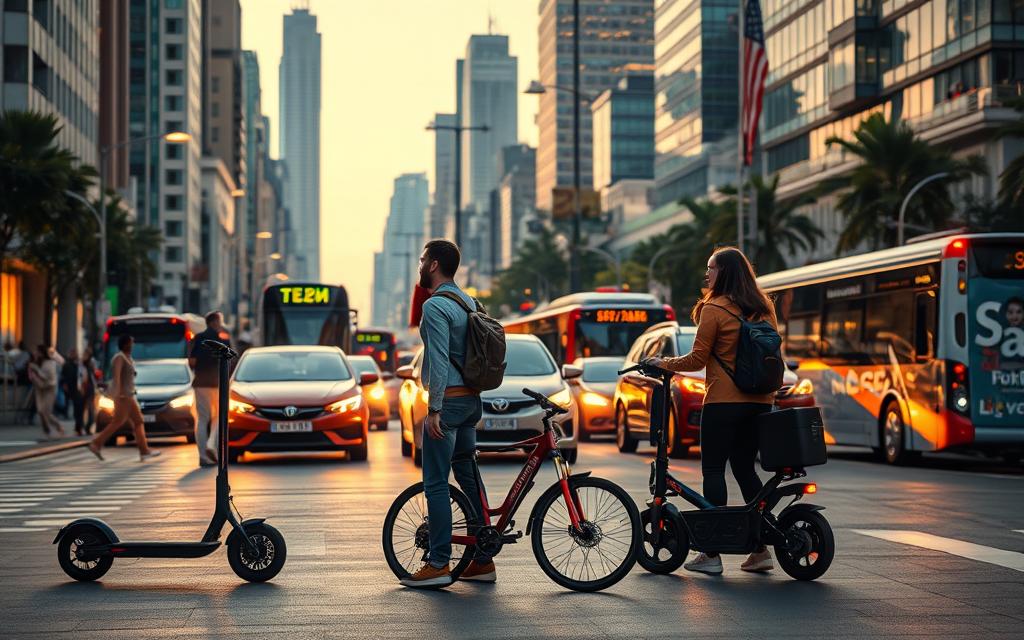
Cyclists need to stay safe and look at other ways to travel. This helps avoid legal trouble and keeps everyone safe.
Public Transportation Solutions
Cities have good public transit that’s safe and cheap. It’s a great choice for those who can’t bike safely.
- Subway and metro systems
- City buses with extended night routes
- Commuter trains
- Trolley services
Ride-Sharing Revolution
Ride-sharing has changed how we get around. It’s a safe and easy way to avoid biking drunk.
| Service | Average Cost | Availability |
|---|---|---|
| Uber | $10-$25 | 24/7 in major cities |
| Lyft | $12-$30 | 24/7 in metropolitan areas |
Planning ahead is the best way to avoid biking drunk. Knowing your options before you go out can save lives and avoid legal issues.
Final Thoughts on Biking and DUI Risks
Cyclists need to know their legal rights when it comes to DUI on bikes. Many think bike laws are easier, but defending against DUI charges can be tough. Each place has its own bike laws that can change how a cyclist is seen after a DUI incident.
Being a responsible cyclist means being aware and making smart choices. Getting stopped for DUI on a bike can lead to big legal problems. It can hurt your job chances and reputation. It’s important to remember that riding drunk is dangerous for you and others on the road.
Learning about bike laws is key to staying safe. Police and bike groups stress the need to know local rules and choose safe ways to get around. Always choose safe travel when you’ve had alcohol.
Knowing the law and being careful can keep you safe and help make roads better for everyone. It’s all about planning ahead, knowing the rules, and making choices that keep you and others safe.





Leave a Reply