


Can one breath test decide your whole legal future? Breathalyzer tests are key in DUI cases, but they’re not perfect. Learning how to fight a breathalyzer test is key for those facing legal trouble.
Police use breathalyzers to check blood alcohol levels. These tests seem simple, but many things can make them wrong. Knowing how to defend against DUI breath tests could save you from a guilty verdict.
Challenging DUI evidence needs smart planning and looking closely at how tests are done. Breathalyzers are common, but they’re not always right. Good lawyers know how to find and use the weaknesses in these tests.
Key Takeaways
- Breathalyzer tests are not 100% reliable
- Multiple factors can impact test accuracy
- Understanding your rights is key
- Professional legal help can fight the results
- Scientific and procedural mistakes can make the test invalid
Understanding the Breathalyzer Test
Breathalyzers are key in catching drunk drivers. They check how much alcohol is in a driver’s breath. This can lead to big legal problems for those thought to be driving drunk.
What Is a Breathalyzer?
A breathalyzer is a tool to measure alcohol in someone’s breath. Police use it to check if drivers are drunk. It helps them quickly see if someone might be too drunk to drive.
How Does a Breathalyzer Work?
Breathalyzers use special science to work. When you blow into it, it checks the alcohol in your breath. There are a few ways these devices find alcohol:
- Fuel cell technology
- Semiconductor oxide sensors
- Infrared spectroscopy
To defend against BAC charges, knowing how these work is important. It helps spot any mistakes in the test.
Common Misconceptions About Breathalyzers
Many people get things wrong about breathalyzers. Some big mistakes include:
- Thinking breathalyzers always get it right
- Believing they measure blood alcohol directly
- Assuming all breathalyzers give the same results
Knowing these wrong ideas is key for those facing legal issues with breath tests.
Legal Implications of Breathalyzer Results
Dealing with breathalyzer tests can be tricky. It’s key to know the legal side when facing DUI charges. This helps in making a strong DUI legal defense.
Breathalyzer results are very important in court. The results of a breath test can change your DUI charges a lot. It’s important to know your rights and legal choices.
Impact on DUI Charges
The effects of breathalyzer test results depend on a few things:
- Blood Alcohol Content (BAC) levels
- Prior driving history
- Jurisdiction-specific regulations
- Potential license suspension
Drivers with high BAC levels face big penalties. Commercial drivers and those under 21 have even tougher rules when fighting DUI charges.
Your Rights During a Breathalyzer Test
Drivers have certain rights during a breath test. Refusing a breath test can lead to big problems. But knowing these rights is key for a strong legal defense.
- Right to remain silent
- Right to request an independent blood test
- Right to legal representation
- Protection against self-incrimination
Knowing about breathalyzer tests can help fight DUI charges. Talking to a DUI attorney can give you the right advice in this complex area.
Reasons to Challenge a Breathalyzer Test
When you face a DUI charge, knowing the weak spots in breathalyzer tests is key. Not every breathalyzer test is perfect. Many things can make these tests not very accurate.
Potential for Inaccuracy in Breathalyzer Devices
DUI machine malfunctions are a big worry in court. Breathalyzers are complex tools that can have problems. These issues might come from:
- Outdated calibration settings
- Software programming defects
- Hardware component failures
- Inconsistent maintenance protocols
External Factors Affecting Test Results
When talking about breathalyzer evidence in court, lawyers often point out outside factors. These can change how the test results come out. DUI test errors can happen because of:
| Factor Category | Potential Impact on Breathalyzer |
|---|---|
| Environmental Conditions | Temperature and humidity changes |
| Physiological Factors | Medical issues, how fast you metabolize |
| Procedural Issues | How the test was done |
Knowing about these possible mistakes can help you fight breathalyzer results. Every time a test isn’t done perfectly, it’s a chance to doubt the evidence.
Key Factors That May Affect Breathalyzer Accuracy
Breathalyzer tests are important in DUI cases. But, they can make mistakes. Knowing about these mistakes can help you fight your case.
Many things can mess up breathalyzer readings. These issues can make it hard to trust the test results.
Calibration Issues: The Hidden Problem
Breathalyzers need to be set up just right to work well. If they’re not, they can give wrong readings:
- Devices not calibrated regularly
- Outdated equipment
- Incorrect calibration procedures
User Error: Human Factors in Testing
Police officers must do the test right. User errors can really mess up the results. This includes:
- Improper device handling
- Incorrect test administration
- Failure to observe waiting periods
Mouth Alcohol Contamination
Some things can make the test show you’ve had more to drink than you have. This can happen if:
- Recent drinking
- Dental work
- Acid reflux
- Certain medical conditions
These issues show why you need to look at all possible mistakes in a breathalyzer test.
Types of Breathalyzer Devices
Breathalyzer devices are key in DUI cases. Knowing the types helps in legal battles against breathalyzer results.
Police use two main types of breathalyzers. Each has its own strengths and weaknesses in legal fights:
- Portable Breathalyzers: Small devices for roadside checks
- Stationary Breathalyzers: More complex machines in police stations
Portable Breathalyzer Characteristics
Portable breathalyzers are fast but not always right. They can make mistakes, which is important in court.
Stationary Breathalyzer Analysis
Stationary breathalyzers are better and kept up well. But, they can also be wrong, and lawyers can argue against them.
| Device Type | Accuracy | Legal Challengeability |
|---|---|---|
| Portable Devices | Lower Accuracy | High Chance of Challenge |
| Stationary Devices | Higher Accuracy | Moderate Chance of Challenge |
Each brand of breathalyzer works differently. Some are more likely to make mistakes. Lawyers look at these details to build strong defenses.
Preparing for a Breathalyzer Test
Facing a breathalyzer test can be scary. Knowing your rights and taking smart steps can help a lot. DUI attorney tips say to be informed and calm during the test.

When getting ready for a breathalyzer test, some steps can protect you. DUI lawyer tips say to stay calm and know the important steps to avoid trouble.
Critical Preparations Before Testing
- Remain calm and polite during the interaction
- Avoid consuming anything 15-20 minutes before testing
- Do not use mouthwash or breath mints
- Be aware of medical conditions that might impact results
Key Questions to Ask the Officer
- What is the specific breathalyzer model being used?
- When was the device last calibrated?
- Can you provide documentation of recent device maintenance?
- Are you certified to administer this test?
To beat a DUI test, first know your legal rights. Asking the right questions can show if the test was done right.
| Preparation Step | Recommended Action |
|---|---|
| Pre-Test Preparation | Avoid eating/drinking, stay calm |
| Documentation | Request maintenance records |
| Officer Interaction | Ask specific, professional questions |
Remember, while these strategies can help, always consult a professional DUI attorney for personalized legal advice specific to your situation.
Common Defenses Against Breathalyzer Tests
Challenging breathalyzer test results is key in a DUI case. Lawyers use smart ways to check if the tests are right.
To fight a DUI charge, knowing breathalyzer weaknesses is important. Good lawyers use many ways to question DUI lab results and protect their clients.
Challenging Calibration Records
Breathalyzers must be very accurate. Lawyers look at:
- Reviewing maintenance logs
- Examining calibration certificates
- Identifying possible equipment problems
An unfair DUI stop gets worse with wrong testing tools. Lawyers check device records for mistakes.
Questioning Officer Training
How well a breathalyzer test is done matters a lot. Lawyers check:
| Training Aspect | Potential Challenge |
|---|---|
| Device Operation | Improper handling techniques |
| Certification Status | Expired or incomplete qualifications |
| Testing Procedure | Violation of standard protocol |
Questioning an officer’s training can show big problems in test taking. This might lead to evidence being thrown out or the case being dropped.
People facing DUI charges should talk to skilled lawyers. They know how to fight breathalyzer test results.
The Role of Medical Conditions
Understanding how medical conditions affect DUI breath tests is key. Some health issues and medicines can change breathalyzer readings. This might lead to false positives.
Medical Conditions That Influence Breathalyzer Readings
Many health problems can make breathalyzer tests less accurate. People with certain health issues might get results that don’t show their real blood alcohol level.
- Diabetes: Can produce ketones that mimic alcohol molecules
- Acid reflux and GERD
- Hypoglycemia
- Metabolic disorders
Medications and Their Impact on Breathalyzer Accuracy
Medicines, both prescription and over-the-counter, affect breathalyzer tests. Some can make chemical compounds that mess with test results. This might give wrong BAC readings.
- Asthma inhalers
- Certain cold medications
- Dental treatments with alcohol-based solutions
- Oral medications with trace alcohol content
If you’re facing DUI charges, it’s important to document your health and medicines. Working with doctors and DUI lawyers is vital. They can help fight against possibly wrong breathalyzer test results.
The Importance of Timing
Timing is key when trying to challenge a breathalyzer test. How fast your body absorbs and breaks down alcohol affects your blood alcohol content (BAC).
The time between drinking and the test matters a lot. Several things can make DUI test results less reliable:
- Alcohol absorption rates vary by individual
- Metabolic differences affect BAC calculations
- Residual mouth alcohol can skew test results
Alcohol Absorption Dynamics
Your body doesn’t process alcohol right away. BAC defense strategy experts say alcohol keeps absorbing into your blood after you stop drinking. This can take from 30 minutes to 2 hours, depending on your body.
| Absorption Factor | Impact on BAC |
|---|---|
| Empty Stomach | Faster absorption |
| Food Consumption | Slower absorption |
| Body Weight | Affects metabolic rate |
| Hydration Level | Influences alcohol processing |
Critical Testing Windows
Police must think about when to do breathalyzer tests. Testing too soon can give wrong results because of mouth alcohol. Waiting a bit helps get a better BAC reading.
If you’re facing DUI charges, talk to a lawyer who gets this. They can look at the test details to find any mistakes in the results.
Understanding Blood Alcohol Content (BAC)

Blood Alcohol Content (BAC) is key in DUI cases. It shows if someone is too drunk to drive. Knowing about BAC helps when facing breathalyzer issues in court.
What BAC Levels Reveal About Impairment
BAC shows how much alcohol is in your blood. In the U.S., 0.08% is the legal limit. Here’s what different BAC levels mean:
- 0.02%: Slight mood changes
- 0.05%: Reduced coordination
- 0.08%: Legal intoxication threshold
- 0.10%: Significant motor skill degradation
- 0.15%: Substantial accident risk
Calculating BAC: A Complex Process
DUI lawyers say knowing how BAC is figured is important. Many things affect BAC, like:
- Body weight
- Gender
- Metabolism rate
- Amount of alcohol consumed
- Time elapsed after drinking
When fighting a breathalyzer case, knowing how BAC is calculated is key. Because everyone’s body is different, BAC isn’t always proof of being drunk.
Potential Limitations in BAC Measurement
BAC is a standard measure, but it’s not perfect. Breathalyzers can be off or affected by things outside them. This makes getting a lawyer’s help very important in DUI cases.
Gathering Evidence to Challenge the Test
When fighting DUI charges, it’s key to gather strong evidence. This helps challenge breathalyzer test results. The right documents and strategy can greatly help your defense.
Collecting evidence well needs a careful and detailed plan. Those fighting DUI must focus on important areas:
- Requesting official breathalyzer maintenance records
- Obtaining officer certification documentation
- Collecting calibration logs
- Securing witness statements
Requesting Documentation
Legal advice stresses getting the right documents. Your lawyer should ask for detailed records that show possible testing errors. These might include:
- Breathalyzer device maintenance logs
- Calibration certificates
- Officer training records
- Arrest video footage
Obtaining Witness Statements
Witness statements are very important. They can give context to your case. They might question the breathalyzer’s accuracy.
People who were with you, saw the arrest, or were nearby can help. A good lawyer can find and talk to these witnesses.
Seeking Legal Assistance
Dealing with a DUI charge is hard and scary. Getting help from a DUI lawyer is key to fight breathalyzer results. A good DUI lawyer can help protect your rights and lessen penalties.
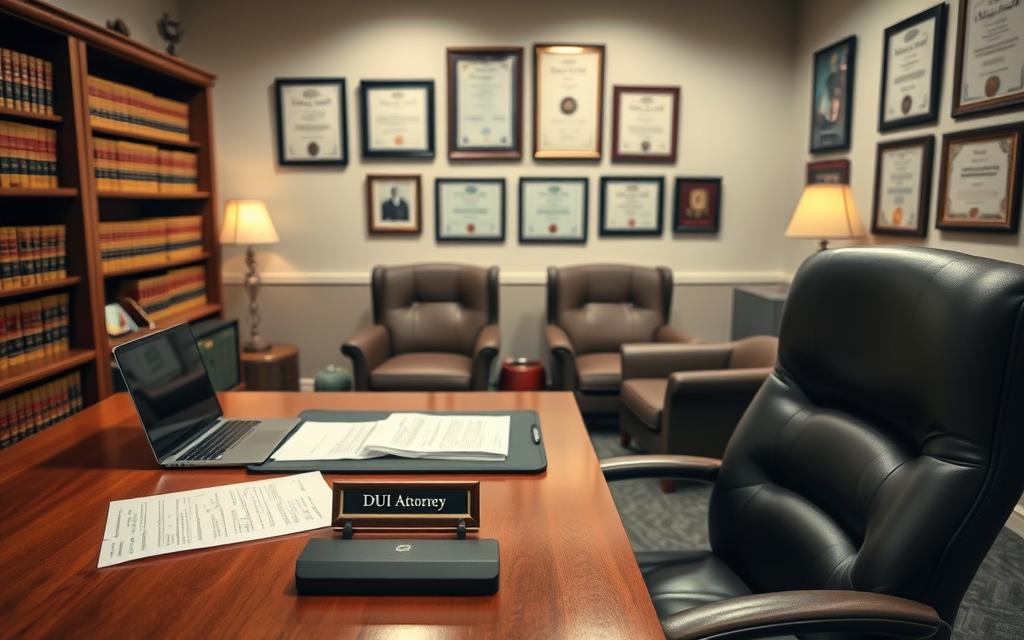
Finding the right DUI lawyer is important. Your lawyer can really change how your case goes.
Finding a Qualified DUI Attorney
Here are key tips for finding a DUI lawyer:
- Make sure they have DUI experience
- Check if they are licensed
- Look at their win rates
- See if they talk well
- Know how they charge
Critical Moments to Consult a Lawyer
When to get a lawyer is very important. You should get one right away in these situations:
- Right after you get charged
- Before talking to the prosecutor
- If you doubt the breathalyzer results
- If you think there were mistakes
Getting a lawyer early can really help your case. They can build a strong defense for you.
| Legal Service | Typical Cost Range | Potential Value |
|---|---|---|
| Initial Consultation | $0-$300 | Case Assessment |
| Full Representation | $2,500-$10,000 | Potential Charge Reduction |
| Trial Defense | $5,000-$15,000 | Possible Case Dismissal |
Good legal help can save you a lot in the long run. It can protect your future and job.
The Trial Process After a DUI Charge
After a DUI charge, the legal path ahead can seem scary. The trial has important steps that can greatly affect your case. This is true, even when you’re fighting against breathalyzer evidence.
Knowing how to get your DUI case dismissed is key. In court, your lawyer will use smart strategies. They aim to throw out DUI test results and change your case’s direction.
Potential Outcomes in Court
The results of a DUI trial can vary a lot. This depends on several important things:
- Complete case dismissal
- Reduced charges
- Plea bargain negotiations
- Acquittal based on evidence challenges
Evidence Significance in Legal Proceedings
Defense lawyers are very important in court. They try to question the breathalyzer evidence. They might ask about:
- The officer’s training and certification
- Breathalyzer device calibration records
- Proper test administration procedures
- Potential external factors affecting test results
Experts can give technical evidence. This might help suppress DUI test results. It can raise doubts about the breathalyzer’s accuracy. Having a good lawyer can really help your DUI case.
Alternative Testing Methods
When facing DUI breath sample issues, knowing about other testing methods is key. These methods can help challenge DUI lab results. They offer different ways to check blood alcohol content.
Looking into other testing methods can help when contesting breathalyzer readings. There are three main ways to measure blood alcohol concentration:
- Breath tests (breathalyzers)
- Blood tests
- Urine tests
Blood Tests: The Gold Standard
Blood tests are seen as the most accurate for measuring BAC. Lawyers often choose blood tests because:
- They directly measure alcohol in the blood
- Results are less affected by outside factors
- Blood samples can be tested again by other labs
Urine Tests: Limited Reliability
Urine tests are the least accurate for checking blood alcohol content. These tests can be less reliable because of many factors that affect alcohol measurements.
When fighting DUI lab results, it’s smart to talk to lawyers who know the differences between testing methods. Each method has its own strengths and weaknesses. These can be looked at closely during a defense.
Final Thoughts on Challenging a Breathalyzer Test
Dealing with a DUI case needs careful planning and knowing the law well. Challenging breathalyzer test results is key and can be done. It involves looking at legal and scientific details closely.
To defend against DUI charges well, you must look at all the evidence. Keep a record of your arrest, get statements from witnesses, and find a good lawyer fast. Fighting DUI charges is complex and needs a lawyer’s help to find mistakes in the test.
Evaluating Your Options
Every DUI case is different and needs a close look. DUI lawyers can spot errors, malfunctions, or mistakes in the test. Knowing your rights and the limits of breathalyzers is important for a strong defense.
Taking Proactive Steps After a DUI Charge
Acting quickly can change the outcome of a DUI case. Get your medical records, video evidence, and work with a skilled lawyer. Challenging a breathalyzer test needs both technical and legal knowledge. A good lawyer is key to protecting your rights and lessening penalties.





Leave a Reply