

Are you risking your entire personal injury claim without even knowing it? Every year, thousands of accident victims make mistakes that hurt their legal cases. These mistakes can cut down their possible compensation a lot.
In 2023, Florida had 391,428 car crashes, causing 250,037 injuries. This shows how tricky it is to handle a personal injury lawsuit. There are many mistakes that can harm your claim a lot.
It’s very important to know the pitfalls of injury claims. Insurance companies want to pay less. Making legal mistakes can cost you a lot of money.
People often make mistakes without meaning to. They might not document incidents well or miss important deadlines. These errors can change a big settlement into nothing.
Key Takeaways
- Immediate medical documentation is critical to preserving your claim
- Insurance companies will exploit any weakness in your case
- Legal representation significantly increases settlement possibility
- Timely reporting and evidence gathering are essential
- Social media can inadvertently damage your personal injury claim
Understanding Personal Injury Law
Personal injury law helps people get money back after they get hurt because of someone else. It covers many situations where people get hurt, feel bad, or lose money.
The process of making a claim can be hard. There are many mistakes that can hurt your case. It’s important to know about personal injury law if you’re thinking about suing.
What Constitutes Personal Injury?
Personal injury law deals with harm caused by someone else’s actions or carelessness. These cases often include:
- Motor vehicle accidents
- Workplace injuries
- Medical malpractice
- Slip and fall incidents
- Defective product injuries
Types of Personal Injury Cases
There are many types of personal injury cases, each needing its own legal strategy. Here are some important facts:
- Car Accidents: Make up about 52% of personal injury lawsuits in the U.S.
- Workplace Injuries: Lead to a lot of compensation claims.
- Medical Malpractice: These cases are very complex and have strict legal rules.
- Product Liability: Deals with products that are not safe or don’t work right.
To avoid common mistakes in lawsuits, it’s key to understand these different cases. Victims should collect all the evidence they can. They should also get help from a lawyer to get the most money they can.
Failing to Seek Immediate Medical Attention
Personal injury lawsuit tips stress the need for quick medical care after an accident. Waiting too long can harm your legal case and health.
It’s key to know why waiting to see a doctor is bad. Victims who wait too long hurt their chances of winning their case.
The Critical Role of Medical Records
Medical records are very important in personal injury lawsuits. They help:
- Show how bad the injuries are
- Link the accident to health problems
- Prove you need ongoing care
- Help figure out how much money you might get
Potential Consequences of Treatment Delays
Waiting to get medical help can lead to big problems. Some risks are:
- Less trust in your injury claims
- Insurance companies might say no to your claim
- It’s harder to prove how serious your injuries are
- Your health could get worse over time
In places like Indiana and New Jersey, where you have two years to file, seeing a doctor right away is even more important. Quick medical care helps keep you healthy and strengthens your case.
Insurance companies try to pay less. But with detailed medical records, you can fight back. This way, you might get the fair compensation you deserve for your injuries.
Not Documenting the Incident Properly
Proper documentation is key in a personal injury case. Studies show that 70% of claimants without evidence at the scene lose their case. It’s important to know how to document an incident well.
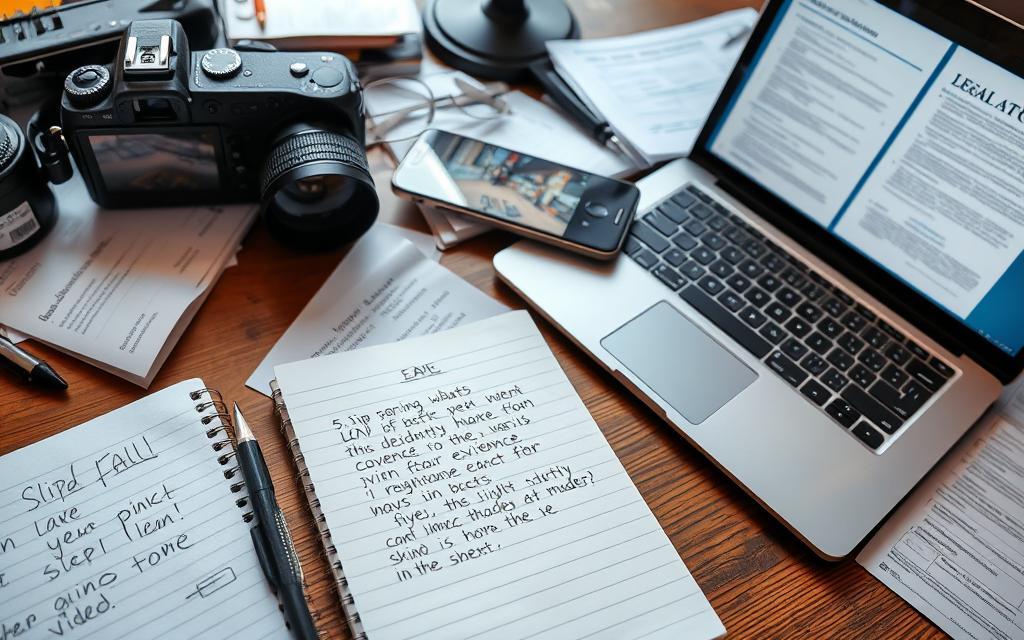
Getting evidence right after an incident helps a lot. People who got evidence on the day had a 55% better chance of winning their case.
Gathering Evidence at the Scene
Here are important steps for documenting a personal injury incident:
- Take clear, multiple photographs of the accident location
- Capture visible injuries and property damage
- Record environmental conditions and possible hazards
- Preserve physical evidence when possible
Witness Statements and Photos
Witnesses are very important in personal injury cases. Here are some tips:
- Collect contact information from all possible witnesses
- Ask for written statements as soon as you can
- Make sure witnesses give detailed, fair accounts
- Check if witnesses are willing to testify
| Evidence Type | Impact on Case | Documentation Priority |
|---|---|---|
| Photographs | Increases settlement likelihood by 30% | High |
| Witness Statements | Improves case strength by 45% | Medium-High |
| Medical Records | Boosts compensation by 25% | Critical |
Remember: Good documentation can turn a tough case into a strong one.
Missing Deadlines for Filing Claims
Personal injury law needs quick and precise steps. Missing deadlines can ruin your case and stop you from getting compensation.
Knowing the statute of limitations is key. Legal mistakes can harm your case. So, it’s important to act fast.
Statute of Limitations: A Critical Timeline
Every state has its own deadline for personal injury claims. These deadlines are different, usually between 1 to 6 years.
- Nearly 50% of individuals are unaware of their state’s filing deadlines
- Approximately 80% of claims missed deadlines result in total recovery loss
- Having a lawyer can help avoid missing important dates.
Consequences of Missed Deadlines
Not knowing the legal timeframes can lead to big mistakes. The results can be very bad:
| Deadline Impact | Consequence |
|---|---|
| Missing Filing Deadline | 100% Loss of Compensation Rights |
| Delayed Legal Action | Up to 50% Increased Claim Dissatisfaction |
| Lack of Legal Representation | 90% Higher Risk of Unfavorable Outcome |
Talking to a skilled personal injury lawyer right after an accident is smart. They can help you meet deadlines and protect your rights.
Underestimating the Value of Your Claim
Going through a personal injury lawsuit needs careful thought. Many people make big mistakes by thinking their claim is worth less than it is. This can hurt your money in the future.
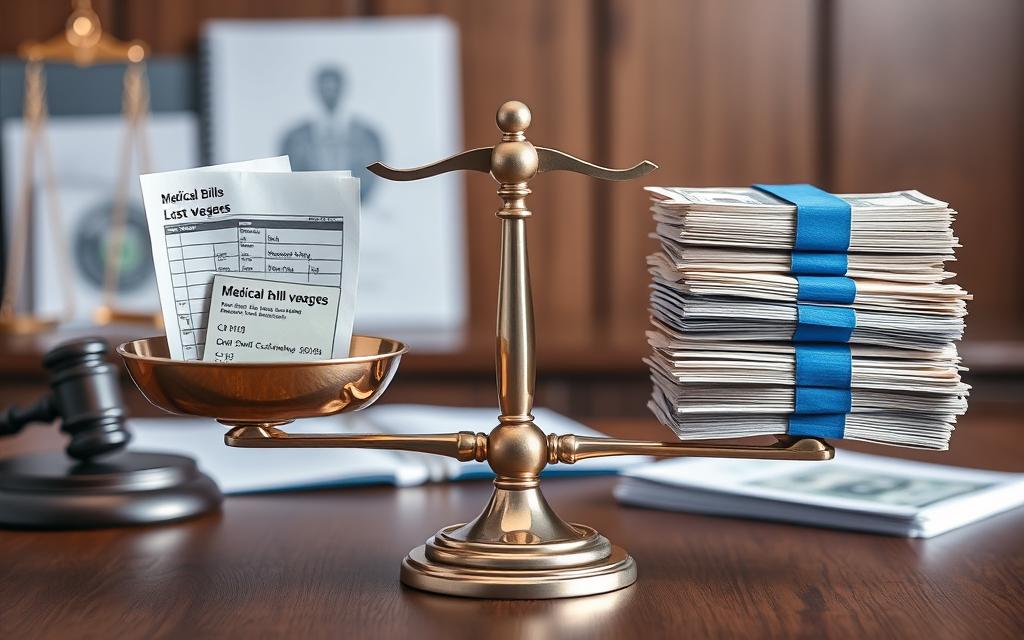
It’s key to know all the damages in an accident lawsuit guide. People often just think about the first medical bills. But they forget about the big costs later on.
Comprehensive Damage Assessment
Looking at your injury claim right means checking many things:
- Current medical expenses
- Future medical treatments
- Lost wages and earning power
- Emotional pain
- Pain and suffering
Calculating True Compensation
| Damage Type | Potential Impact | Estimated Value Range |
|---|---|---|
| Medical Expenses | Immediate and Long-Term Care | $10,000 – $500,000 |
| Lost Income | Current and Future Earnings | $5,000 – $250,000 |
| Pain and Suffering | Emotional and Physical Trauma | $10,000 – $100,000 |
Studies say 40% of personal injury cases need a lawyer to get a fair deal. About 50% of people who do it themselves are not happy with the outcome.
Having a good personal injury lawyer can help you. They make sure you get all the money you need now and later.
Neglecting to Hire an Experienced Attorney
Trying to handle a personal injury claim by yourself can be a big mistake. It can really hurt your chances of getting the money you deserve. Almost 30% of personal injury claims are denied because of mistakes. This shows how important it is to have a good lawyer.

People who try to handle their cases alone often get much less money. Studies show that those with lawyers can get up to 40% more in compensation.
Benefits of Legal Representation
- Navigate complex legal procedures
- Negotiate effectively with insurance companies
- Gather critical evidence
- Calculate long-term injury costs
- Prevent common lawsuit errors
How to Choose the Right Lawyer
Finding the right lawyer is key in your injury claim. Look for these things when picking an attorney:
| Selection Criteria | What to Look For |
|---|---|
| Experience | Specialized personal injury background |
| Success Rate | Proven track record of winning cases |
| Communication | Clear, responsive, and transparent |
| Fee Structure | Contingency-based (33-40% of settlement) |
Getting a good lawyer can really help you. It can make sure you get the money you deserve and avoid big mistakes.
Accepting a Low Settlement Offer
When dealing with insurance offers, it’s important to think carefully. Insurance companies often try to pay less than they should. They might offer you a low amount that doesn’t cover all your damages.
It’s key to know how to negotiate settlements. This helps avoid mistakes and reasons for claim denial. About 70% of people who handle claims alone get paid too little.
Red Flags in Settlement Offers
- Offers that cover only immediate medical expenses
- Quick settlement proposals before full injury assessment
- Settlements that ignore long-term rehabilitation costs
Evaluating Settlement Legitimacy
Don’t rush to accept the first offer. Think about these important points:
| Settlement Aspect | Recommended Action |
|---|---|
| Medical Expense Coverage | Verify complete short and long-term medical cost inclusion |
| Lost Wage Compensation | Calculate total possible income loss |
| Future Treatment Costs | Assess possible ongoing medical needs |
Experts say waiting and carefully checking your injuries can lead to better offers. You might see an increase of 20% to 30% in your settlement. This shows the value of patience and smart negotiation in personal injury cases.
When to Walk Away from a Deal
It’s okay to walk away if the offer doesn’t cover all your damages. Talking to a skilled personal injury lawyer can help you understand your claim’s worth.
Failing to Prepare for Court
Going to court for a personal injury case needs careful planning. Good legal advice says it’s key to know how courts work and to present your case well. Many people don’t realize how complex it can be.
Getting ready is important to avoid mistakes in personal injury cases. About 90% of these cases settle before going to court. But being prepared can really help your chances.
Essential Courtroom Preparation Strategies
- Gather all the documents and evidence you have
- Practice speaking clearly and simply
- Go over possible questions with your lawyer
- Learn about court rules and manners
Confidence and Presentation Techniques
Your attitude can change how people see you. Here are some important tips for presenting yourself:
- Wear clothes that show you’re serious and professional
- Keep your body language calm and open
- Speak the truth clearly and without hesitation
- Listen well before you answer
Studies show that being well-prepared can boost your chances of winning by up to 50%. Knowing how courts work can turn weaknesses into strengths.
Legal experts say that being well-prepared is a must in personal injury cases. By being ready for challenges and presenting a strong case, you show you’re credible. This can help you get the compensation you deserve.
Overlooking Future Medical Costs
Injury case strategies need careful thought about long-term medical costs. About 40% of personal injury cases have ongoing treatment costs. These costs are often missed in the first talks about settling.
Victims who don’t plan for future medical needs face big financial problems. Their medical bills might be more than their settlement.
Legal experts know personal injury law needs a full look at both now and future medical costs. About 70% of people who handle their cases alone are unhappy with their settlements. This is often because they didn’t plan for future medical costs.
Quickly accepting a settlement can lead to mistakes. These mistakes happen when people don’t think about future treatments or surgeries. Medical experts help by showing what treatments might be needed in the future.
Victims should get full medical checks and ask for expert advice. This helps protect their money for the future.
Long-Term Impacts of Injuries
Doctors know injuries are complex and take time to heal. About 40% of hospitals offer charity care to help with costs. It’s key to plan for medical expenses carefully.
This includes looking into payment plans and knowing about discounts for quick payments.



Leave a Reply