


Imagine a burst of electricity stronger than 1,000 lightning bolts surging through your devices in milliseconds. This invisible threat—often caused by weather events, aging infrastructure, or utility mishaps—can fry circuits, melt wiring, and leave you with costly repairs. But here’s the twist: many property owners don’t realize their financial vulnerability until it’s too late.
Voltage spikes don’t discriminate. They strike homes, apartments, and businesses alike, damaging everything from smart TVs to HVAC systems. While some assume standard property insurance automatically covers these incidents, policies often contain surprising gaps. For instance, coverage might apply to lightning-related surges but exclude those stemming from municipal grid failures.
Understanding your protection options requires two steps: knowing how modern electrical systems fail and decoding your policy’s fine print. This guide explores proactive measures like whole-house suppressors, clarifies what insurers typically reimburse, and reveals how to document losses effectively when filing claims.
Key Takeaways
- Voltage spikes can originate from external sources (like storms) or internal issues (faulty wiring).
- Insurance reimbursement often depends on the surge’s root cause and policy specifics.
- Renters and homeowners face different coverage scenarios for electrical incidents.
- Surge protectors reduce risks but aren’t foolproof against extreme voltage changes.
- Immediate action after an event (unplugging devices, resetting breakers) limits further harm.
Understanding Power Surges: Causes and Impact
A sudden jolt of electricity—10 times stronger than standard household current—can silently cripple your electronics. These voltage spikes, lasting mere microseconds, often stem from external forces or internal system flaws. Knowing their origins helps homeowners and renters build better defenses.
What Is a Power Surge?
Voltage surges occur when electrical flow exceeds 120 volts (U.S. standard). Transient spikes—brief but intense—can reach thousands of volts. Common triggers include:
- Lightning strikes within 1 mile of power lines
- Utility company grid adjustments during outages
- Large appliances cycling on/off (AC units, refrigerators)
How Power Surges Damage Appliances and Wiring
Excessive voltage overloads circuits, melting wires and frying microchips. Sensitive devices like computers suffer immediate failure, while repeated low-level spikes degrade components over time. A study found 80% of unexplained electronics failures trace back to cumulative surge damage.
Outdated outlets and aluminum wiring (common in pre-1970 homes) worsen risks. These systems struggle to handle modern energy demands, creating weak points where surges strike first. Always consult a licensed electrician to assess your property’s vulnerability.
Determining Insurance Coverage for Surge Damage
Did you know 65% of surge-related claims get denied due to policy gaps? Insurance reimbursement hinges on two factors: your policy type and the event’s origin. Most providers treat lightning-induced incidents differently than grid-related voltage spikes.

Homeowners and Renters Insurance Considerations
Standard homeowners policies often include dwelling coverage (Coverage A) for built-in systems like wiring. Personal property (Coverage C) may reimburse electronics if lightning caused the surge. Renters insurance typically protects devices but won’t fix walls or outlets.
Texas residents face unique challenges. Many policies exclude artificial surges from utility lines or aging transformers. Always check if your state requires insurers to specify covered causes.
Policy Exclusions and Special Endorsements
Most plans reject claims for gradual wear or pre-existing flaws. Internal circuit board failures in gadgets usually require separate equipment breakdown endorsements. These add-ons cost $20-$50 annually but cover repairs standard policies ignore.
Pro tip: Document appliance models and serial numbers before incidents. Insurers often demand proof that voltage spikes—not normal wear—caused the failure. Pair surge protectors with updated policies for layered defense against electrical chaos.
Who Pays for Power Surge Damage: Roles and Responsibilities
When a voltage spike fries appliances or wiring, liability often depends on who caused the surge. Utility providers sometimes shoulder responsibility—but only under specific conditions. Let’s unpack when they’re accountable and how insurance complicates the equation.
Utility Company Liability and Limitations
Providers face scrutiny if negligence caused the incident. A Michigan case showed utilities avoid blame when power lines fail due to private property issues—like untrimmed trees on a homeowner’s land. Courts typically side with companies during natural events like lightning strikes or storms.
State rules vary widely. Oklahoma mandates line inspections every four years, while Connecticut lets companies decide timing. If a provider skips required maintenance, you might have grounds for compensation. Yet proving this requires expert testimony and detailed records.
Most insurance policies exclude grid-related surges unless they trigger fires. A homeowner in Texas learned this after her insurer denied a claim for fried appliances, forcing her to drain savings. Always check if your coverage may require add-ons for utility-caused damage.
Legal action remains tricky. One consumer spent years battling a utility after a transformer explosion fried her electrical system. Courts dismissed her case because the company followed state vegetation rules. Protect yourself by documenting maintenance requests and using UL-certified protection devices.
Repair Tips and Surge Protection Strategies
Your home’s defense against electrical chaos starts with choosing the right tools. Not all surge protectors work equally—some offer basic coverage while others shield entire systems. Let’s explore how to build layered defenses and address issues when voltage spikes strike.
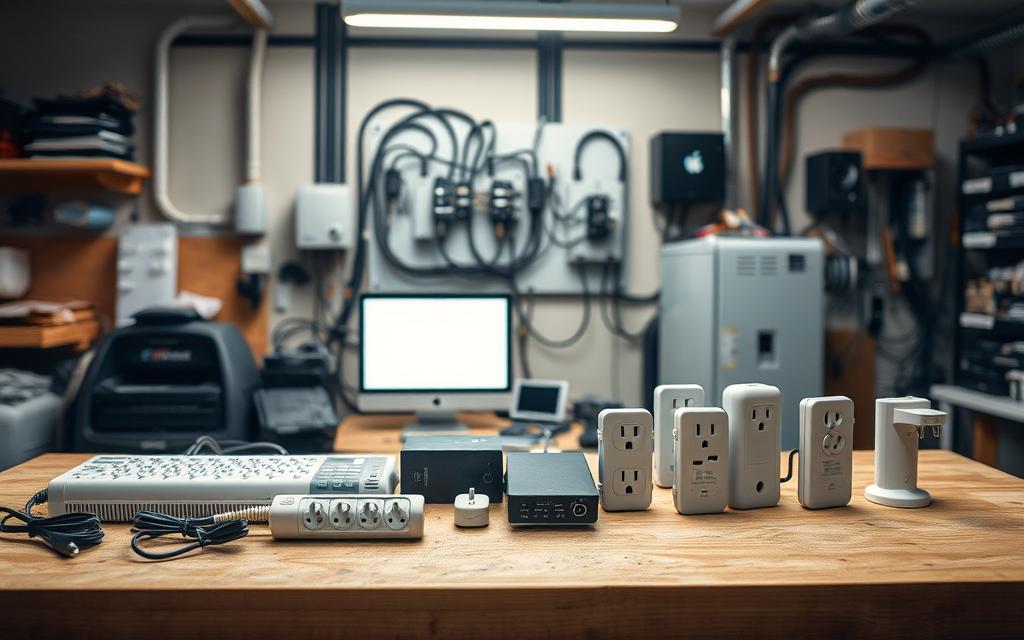
Choosing the Right Surge Protector
Whole-house models installed at your circuit breaker provide first-line defense, handling up to 50,000 volts. These devices require professional installation but protect every outlet. For individual electronics, plug-in strips with 1,000+ joule ratings and response times under 1 nanosecond work best.
Prioritize protectors with UL certification and clamping voltages below 400 volts. A Texas study found units with 3,000+ joule capacities prevented 92% of storm-related appliance failures. Replace units every 3-5 years—or immediately after major lightning events.
Professional Repair Versus DIY Solutions
Reset tripped breakers and unplug fried devices immediately. Simple fixes like replacing blown fuses or GFCI outlets often suit DIYers. However, melted wiring or HVAC system damage demands licensed electricians. One Colorado family saved $1,200 by hiring pros to rebuild their breaker panel correctly.
For complex repairs, always request itemized quotes. Many technicians offer free assessments—use these to compare service depth and costs. Pair expert help with updated protectors from a complete home protection plan for lasting security.
Navigating Claims and Utility Procedures
When electrical systems fail, swift action determines whether you recover costs or face financial setbacks. Effective coordination between insurance providers and utility services often makes the difference. Let’s explore how to streamline this process while protecting your property.
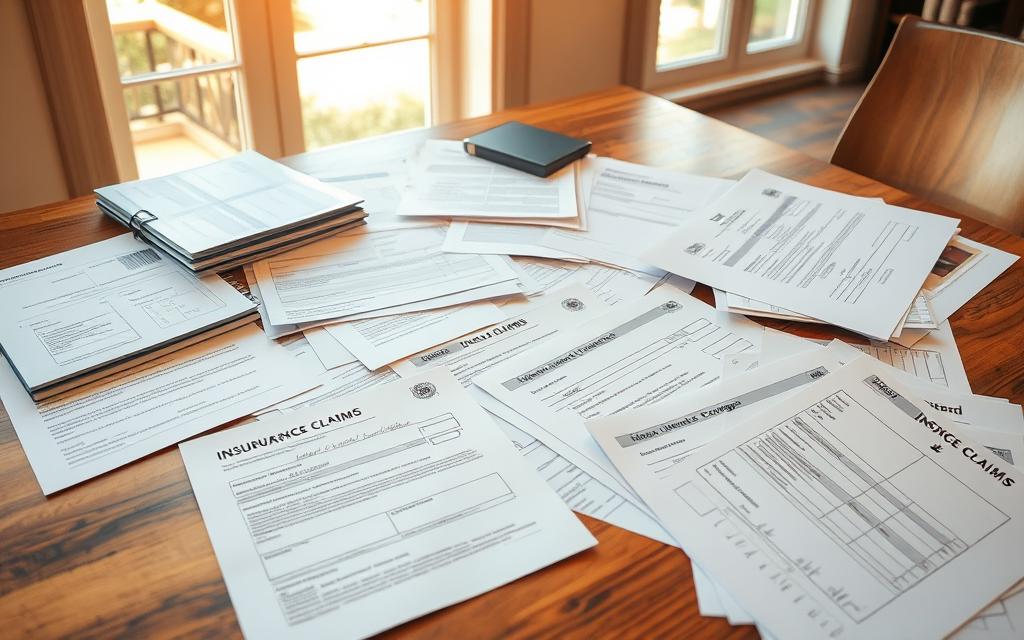
Filing an Insurance Claim for Surge Damage
Start by photographing fried devices and damaged wiring within 48 hours. Capture serial numbers and model details—insurers often request these. Next, contact your provider using their app or hotline to initiate the claim process.
| Step | Action | Key Requirement |
|---|---|---|
| 1 | Document Damage | Time-stamped photos + repair invoices |
| 2 | Hire Electrician | Licensed professional’s damage report |
| 3 | Submit Evidence | Policy number + incident timeline |
Most insurers require a licensed technician’s assessment to confirm surge-related harm. One Florida homeowner avoided a denied claim by submitting a system analysis showing melted circuits matched local grid fluctuations.
Working with Utility Companies During an Outage
Contact your utility provider immediately after an outage. Request a “service disruption report”—this document proves voltage irregularities occurred. Many companies conduct free inspections if you suspect their equipment caused the issue.
Keep a log of all communications. Note representatives’ names, dates, and key details discussed. This record strengthens cases when seeking compensation for fried devices or wiring repairs. For complex scenarios, review coverage specifics to align your approach with policy terms.
Pro Tip: Utilities often deny liability unless negligence is proven. Pair your evidence with weather reports or neighbor testimonials to build a stronger case. Persistent documentation turns vague disputes into winnable claims.
Conclusion
Unseen electrical threats require proactive strategies to safeguard your property. Voltage spikes caused by storms, grid fluctuations, or aging wiring can cripple devices and drain wallets. Insurance coverage varies widely—some policies address lightning-related incidents but exclude utility-caused outage impacts.
Prevention remains your best defense. Whole-house suppressors and UL-certified protectors create layered shielding for electronics. Regular electrical inspections identify weak points before disasters strike.
When filing claims, document losses thoroughly. Capture time-stamped photos, secure professional assessments, and submit repair invoices promptly. Utilities rarely accept liability unless negligence is proven—keep detailed records of communications and service requests.
Review your policy’s fine print today. Confirm coverage limits for electricity-related incidents and consider equipment breakdown endorsements. Pair updated protections with emergency preparedness plans to minimize disruptions. Staying informed and proactive transforms vulnerability into resilience.










Leave a Reply